Frequently Asked Questions
How to slip line a pipe?
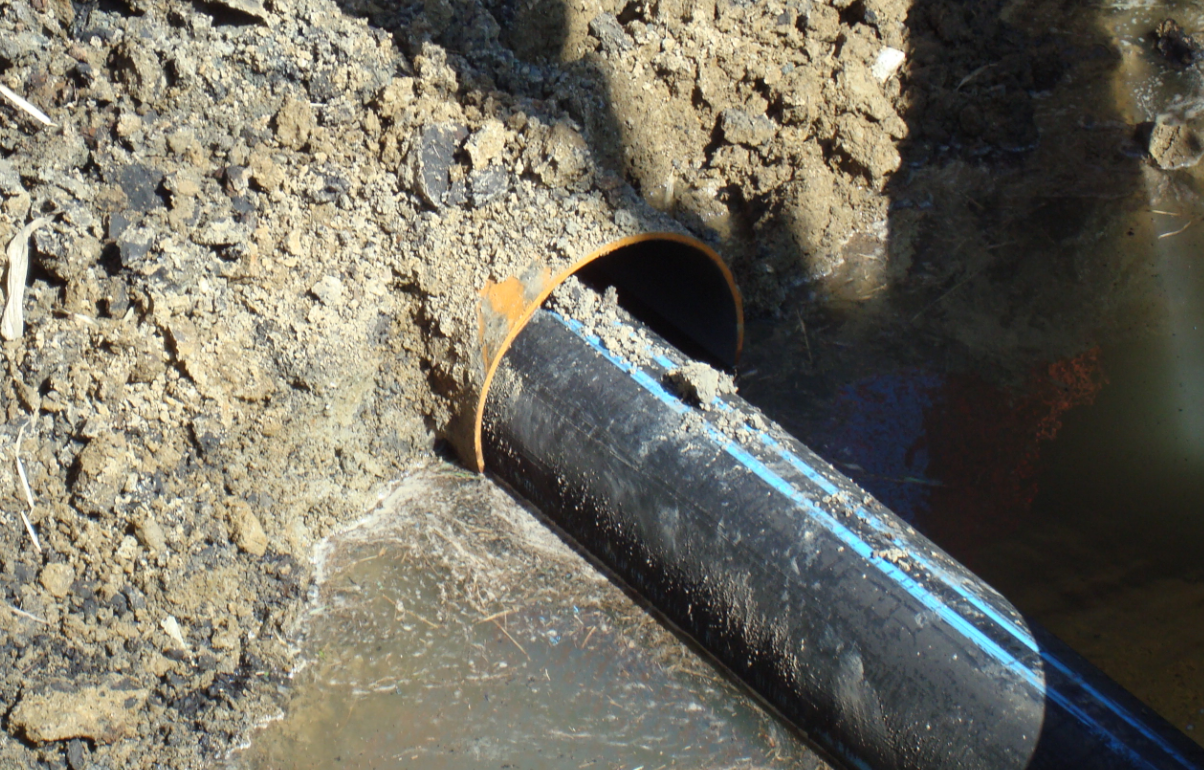
Slip lining a pipe involves inserting a new, smaller pipe inside the existing one, then grouting the annular space to create a structurally sound, rehabilitated pipe.
How to slip line 30 pipe?
Slip lining a 30-inch pipe involves inserting a smaller, new pipe inside the existing one. This rehabilitation method is efficient and cost-effective for restoring damaged or deteriorating pipelines.
How to slip line pipe?
Slip lining pipe involves inserting a new, smaller pipe into the existing one, then expanding it to create a tight fit.
What materials are needed for slip lining?
Slip lining utilizes new, durable pipes, typically high-density polyethylene (HDPE) or cured-in-place pipe (CIPP) liners, inserted into existing damaged pipes.
How long does slip lining take?
The duration of slip lining varies depending on project scope and pipe conditions.
What are the benefits of slip lining?
The benefits of slip lining include cost-effectiveness, minimal disruption, and a durable, long-lasting repair for existing pipes.
Is slip lining suitable for all pipes?
Slip lining is not suitable for all pipes; it's best for pipes with specific structural integrity and diameter requirements.
What is the cost of slip lining services?
The cost of slip lining services varies based on project scope. Contact Ellingson Companies for a personalized quote tailored to your specific needs and pipe conditions.
How does slip lining compare to traditional methods?
Slip lining offers a less disruptive, more cost-effective alternative to traditional methods, minimizing excavation and downtime for pipe repair.
What are the steps in the slip lining process?
The slip lining process involves cleaning the existing pipe, inserting a new liner, and then expanding it to fit snugly, creating a rehabilitated pipe.
Can slip lining fix collapsed pipes?
Slip lining can indeed fix collapsed pipes by creating a new, structurally sound pipe within the damaged one, restoring flow and integrity.
What types of pipes can be slip lined?
Slip lining is a versatile solution applicable to various pipe materials including concrete, ductile iron, steel, and even some plastics.
How do I prepare for slip lining?
Preparing for slip lining involves ensuring the existing pipe is clean and accessible. This typically includes excavation and inspection to confirm suitability for the process.
What are common issues with slip lining?
Common issues with slip lining can include potential for reduced flow capacity, challenges with precise alignment, and the need for careful site preparation to ensure optimal results.
How do I choose a slip lining contractor?
Choosing a slip lining contractor involves assessing their experience, track record, and commitment to quality. Look for proven expertise and reliable project completion.
What is the lifespan of slip lined pipes?
The lifespan of slip lined pipes is typically 50 years or more, offering a durable and long-lasting solution for infrastructure rehabilitation.
Are there any maintenance requirements after slip lining?
Slip lining typically requires minimal ongoing maintenance. Once installed, the new liner is designed for long-term durability and performance with very little upkeep needed.
How does slip lining improve pipe flow?
Slip lining improves pipe flow by creating a smooth, continuous inner surface, reducing friction and increasing hydraulic efficiency within the rehabilitated pipeline.
What is the environmental impact of slip lining?
The environmental impact of slip lining is minimal. This trenchless method significantly reduces excavation, preserving existing landscapes and minimizing disruption to ecosystems and soil erosion.
Can slip lining be done in residential areas?
Slip lining can indeed be done in residential areas. This trenchless method minimizes disruption, making it ideal for repairing pipes without extensive excavation in neighborhoods.
What inspections are needed before slip lining?
Before slip lining, essential inspections include CCTV camera assessments and hydrostatic testing to evaluate pipe condition and integrity.
How do I know if slip lining is needed?
Slip lining is needed when existing pipes show signs of deterioration, leaks, or structural weakness, requiring rehabilitation without full replacement.
What technologies are used in slip lining?
Slip lining utilizes advanced trenchless technologies, including CCTV inspection, pipe bursting, and cured-in-place pipe (CIPP) methods, to efficiently rehabilitate existing pipelines.
How does slip lining affect existing utilities?
Slip lining minimally impacts existing utilities, as the process is trenchless and requires minimal excavation, preserving surrounding infrastructure.
What are the safety measures for slip lining?
Safety measures for slip lining include rigorous site assessments, proper personal protective equipment, and adherence to strict operational protocols to ensure a secure working environment for all personnel.
Can slip lining be done in adverse weather?
Slip lining can often be performed in adverse weather conditions, as the process is typically contained within existing pipes, minimizing exposure to the elements.
What is the warranty on slip lining work?
Ellingson Companies offers a comprehensive warranty on all slip lining work, ensuring your repaired infrastructure is protected and reliable for years to come.
How do I assess the condition of my pipes?
Assessing your pipes' condition involves professional inspection. Experts use methods like CCTV or sonar to identify issues and determine repair needs.
What are the signs of pipe deterioration?
Signs of pipe deterioration include frequent clogs, slow drains, foul odors, and visible leaks or water damage.
How does slip lining reduce excavation needs?
Slip lining reduces excavation needs by installing a new pipe inside the existing one, minimizing the need for digging and disruption.